Recalled cosmetics: the

Key Takeaways:
- The major emerging risk in cosmetics is microbiological, driven by the presence of water.
- Significant recalls have been documented recently, involving Kenvue and Mölnlycke.
- Immunocompromised individuals (such as patients undergoing chemotherapy or organ transplant recipients) are particularly vulnerable to these contaminations.
- When in doubt, it is advisable to opt for anhydrous formulas and check for alerts on Safety Gate/RAPEX or the FAMHP.
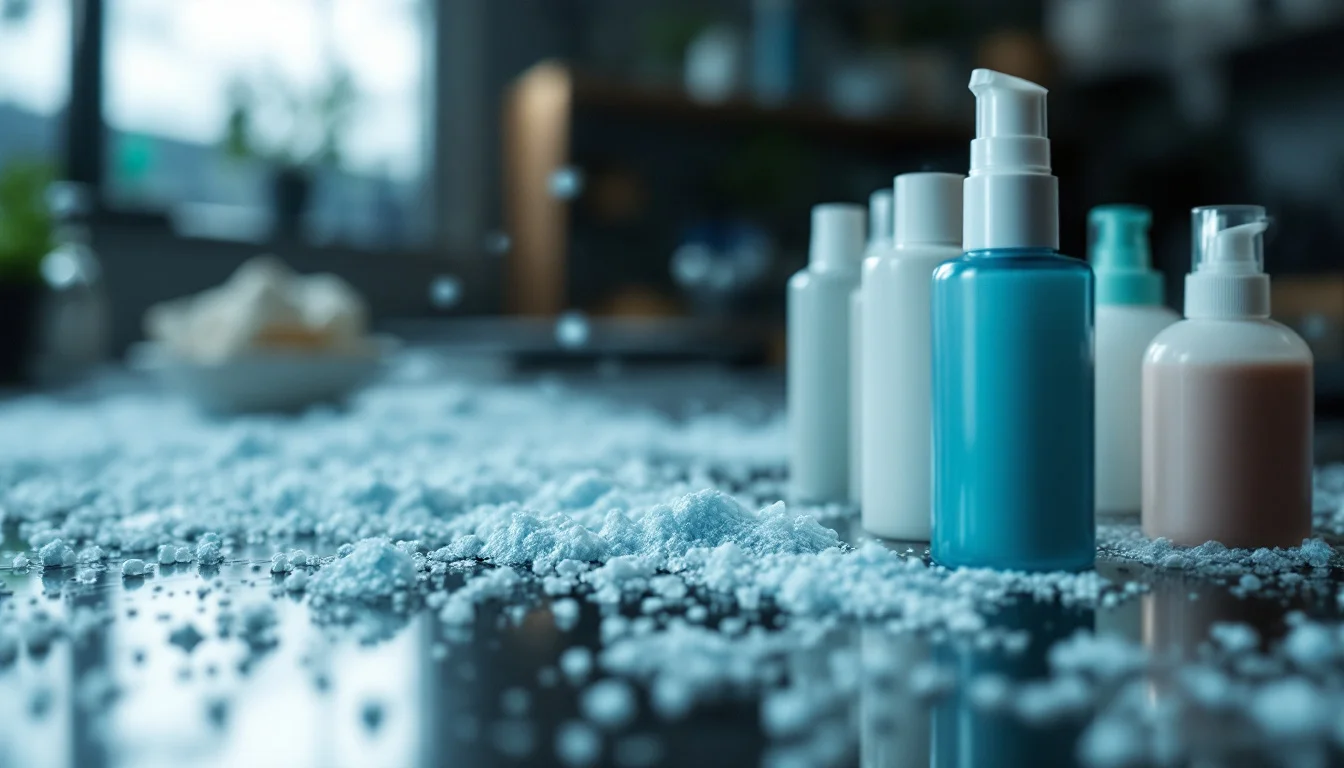
Successive waves of international recalls have highlighted a fundamental flaw in the health safety of contemporary cosmetics. The main culprit is not a novel active chemical, but the most abundant and mundane element in formulations: water. By acting as a vector for proliferation, this aqueous base is shifting the industry paradigm. The question is no longer just whether a product is free of toxic substances, but whether its manufacturing hygiene can prevent infections during daily use.
The Wave of Recalls: Analyzing a Production Crisis
The reality of industrial failures translates into health alerts affecting both specialized skincare and mass-market products. An analysis of recent withdrawals illustrates a systemic vulnerability to pathogens.
Kenvue and the Professional Sector: Industry Players Affected
Major multinationals are not immune to this microbiological crisis. Kenvue Brands was forced to issue a voluntary recall of Neutrogena makeup remover wipes. This decision came after internal testing definitively detected the presence of Pluralibacter gergoviae in a specific batch. The discovery of this bacterium, which is particularly problematic due to its natural resistance to traditional preservative systems, underscores the difficulty of stabilizing moist environments, even for industry leaders.
The scope of the problem is further magnified by the fact that this bacterial strain is a well-documented opportunistic pathogen, known for its ability to cause infections. Exposure to the contaminated product can lead to adverse health effects that are temporary or medically reversible.
A few months later, further alerts highlighted similar contaminations in the haircare sector, resulting in the recall of professional shampoo units. These products were contaminated with Klebsiella oxytoca. Although no injuries were reported following this event, the massive withdrawal illustrates the ongoing challenge of maintaining the stability of such products.
Europe Grapples with Health Alerts
The phenomenon extends far beyond North American borders and is impacting the European market. A recall procedure in the UK targeted the Mölnlycke Health Care laboratory.
The details of this intervention indicate that:
- Three distinct batches of the antimicrobial skin cleanser Hibiwash were removed from circulation.
- The contamination involved the B. cepacia bacterium.
- The failure was identified through routine surveillance conducted directly within the manufacturing plant.
- No direct harm to patients has been reported following the use of the affected batches.
The Formulation at Fault: Water as a Vector for Contamination
The occurrence of bacterial proliferation in a skincare product stems from an alignment between the environment inside the bottle and the biological needs of microorganisms.
The Proliferation Mechanism in Aqueous Environments
Microbiological contamination is a dynamic process. It occurs when microorganisms manage to penetrate the cosmetic product at one of three critical stages: during factory manufacturing, over prolonged storage, or through repeated use by the end consumer.
The combination of water, organic compounds, and various minerals creates a favorable ecosystem for bacterial and fungal growth. Following scientific logic, highly aqueous formulas, such as lotions, shampoos, or micellar waters, prove to be the most vulnerable on the market to this hazard.
A Clinical Danger for Vulnerable Populations
The risk intensifies for immunocompromised individuals.
Patient profiles that are particularly at risk include:
- Individuals undergoing aggressive chemotherapy protocols.
- Organ transplant recipients on immunosuppressive therapy.
- People living with HIV/AIDS.
Mineral vs. Biological: Two Anatomies of Cosmetic Contamination
To understand the sheer scale of the current microbiological crisis, it is instructive to compare it to another type of crisis: mineral contamination.
The Geological Asbestos Crisis
The contamination of powder cosmetics is historically explained by the close geological proximity between talc and asbestos deposits. During extraction operations, if mining sites are not selected with extreme rigor and if the raw talc ore is not subjected to a sufficient purification process, the finished talc can end up contaminated with asbestos fibers, a known carcinogen.
Johnson & Johnson issued a voluntary recall of a specific batch of its famous baby powder (batch #22318RB) after a sample tested positive for asbestos, prompting the recommendation to immediately stop using that exact batch.
Frequently Asked Questions (FAQ) on Cosmetic Safety
Should you throw away a skincare product as soon as its smell or texture changes?
A physical alteration (phase separation, color change, or the emergence of a rancid odor) is the first visual or olfactory indicator of formula degradation. While these signs do not always guarantee the presence of a severe pathogenic strain, they reflect an instability that justifies preemptively discarding the product to avoid any skin reactions.Which cosmetic formats are least exposed to bacteria?
Anhydrous formulations (which do not contain water) offer far superior natural resistance. Compact powders, solid lip balms, or pure oils do not provide the moist environment necessary for microorganism metabolism, unlike lightweight creams and aqueous mists.What should you do if you own a bottle subject to a European alert?
The first step is to immediately stop applying the affected product. You should then check the implicated batch numbers on official portals (such as the European Safety Gate/RAPEX system or the FAMHP website in Belgium) and follow the manufacturer's instructions regarding the return or safe destruction of the item.Conclusion: Toward a Closely Monitored Cosmetics Industry
Shifting commercial expectations are generating an unprecedented safety paradox. It has been suggested that the demand for so-called "clean" formulations, which require the removal of many traditional synthetic preservatives, brings the biological resilience of these products into question. Manufacturers find themselves facing the challenge of purging their ingredient lists while simultaneously ensuring the microbiological stability of their formulas.
--- The information contained in this article does not replace medical advice. Consult your doctor or a qualified healthcare professional.