Skinimalism: Beauty Goes Mass Market
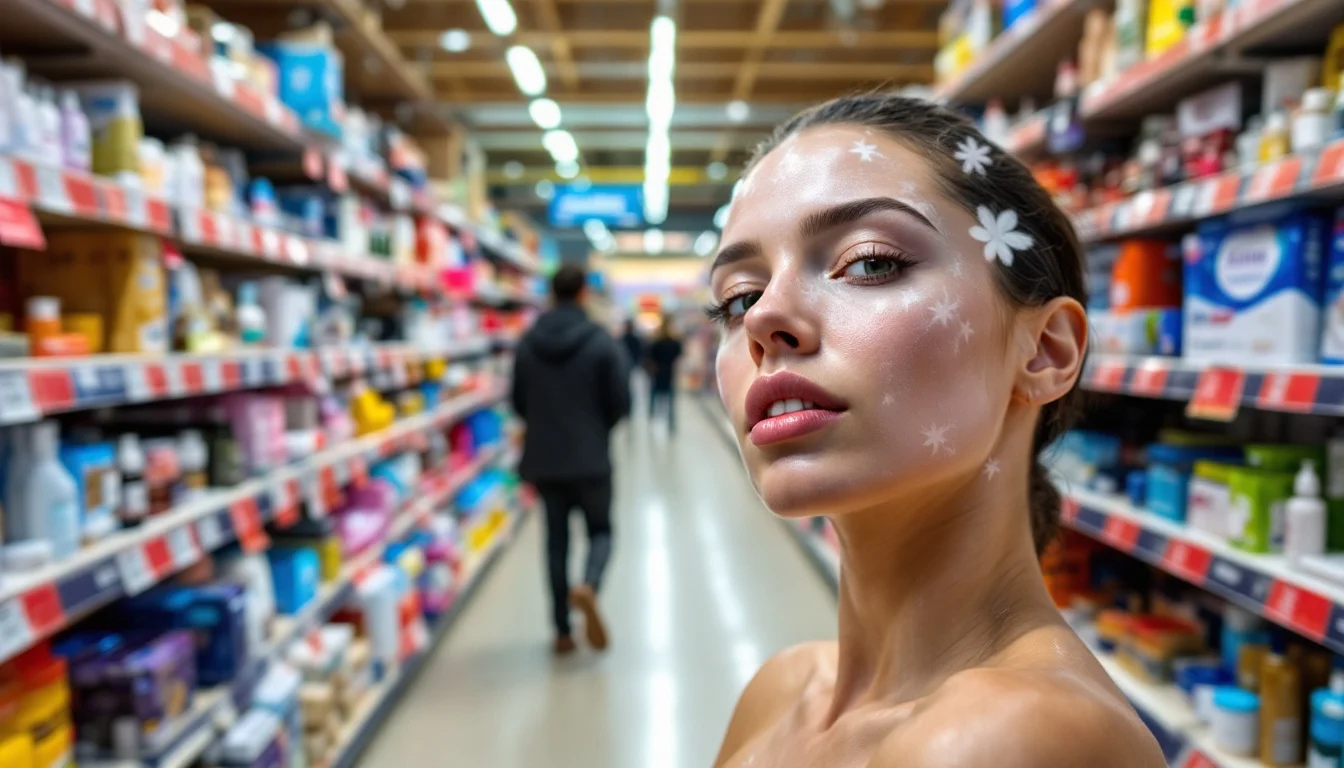
The cosmetics industry is undergoing a profound transformation. Faced with an exponentially expanding array of choices over the past decade, the purchasing habits of Western and global consumers are shifting. Shopper fatigue is settling into the aisles, altering how households allocate their skincare budgets.
The End of the Hyper-Launch
According to the trade publication Beauty Independent, consumers are currently overwhelmed by the relentless pace of product launches. What once drove excitement and discovery is now creating genuine decision fatigue. Buyers, exhausted by complex, multi-step routines, are pivoting toward products that offer clear usage, multi-functional benefits, and proven results.
A New Definition of the Essentials
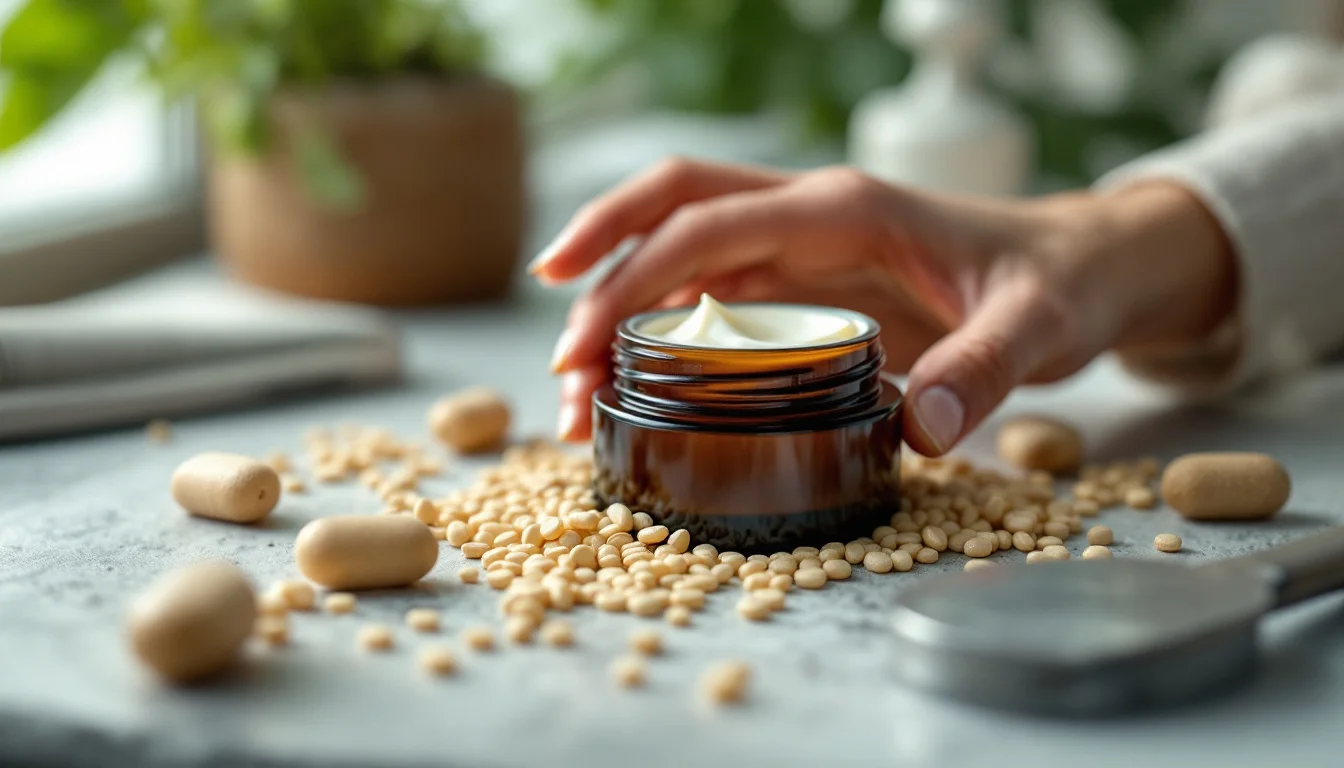
This phenomenon has a name: skinimalism. Championed by market players like Onérique, the movement is all about drastically reducing the number of products in the bathroom cabinet to keep only the absolute essentials. It is no longer about layering products; instead, the focus is on high-quality formulas tailored perfectly to the skin's actual needs. This search for meaning is shaking up retail strategies, forcing distributors to meet a demand that requires doing much more with significantly less.
Key Takeaways
- Consumer fatigue: The frantic pace of new releases is breeding an exhaustion that drives the extreme simplification of beauty routines.
- The rise of Masstige: Sales in this middle-tier category are growing at a much faster rate (+14% over nine months according to Circana) than in prestige channels (+1%).
- Formula hybridization: Products that combine skincare, protection, and correction are replacing single-use items in shopping baskets.
- Asian influence: K-Beauty brands have mastered the formula of combining hybrid products with aggressive pricing, wielding significant influence over buyers through social media.
The Shift to 'Masstige': How Inflation is Redrawing Market Share
The streamlining of skincare routines isn't driven solely by a desire for dermatological simplicity. It is also rooted in a strained economic climate where inflation puts constant pressure on purchasing power.
Household Budgeting Choices
The widespread increase in prices is compelling consumers to reassess their priorities without sacrificing efficacy. This dynamic is driving a measurable migration in sales from traditional selective retail channels toward more accessible alternatives. In Europe, over the first nine months of the year, skincare sales grew by a mere 1% in the selective channel (prestige beauty), compared to 5% in the mass market.
The Explosion of the Middle Tier
However, the real winner of this market restructuring is the "masstige" segment (a portmanteau of mass and prestige). The growth of skincare brands positioned in this niche has far outpaced traditional categories, boasting a 14% increase in sales by the end of September. Consumers are demanding cutting-edge ingredients, prioritizing budget choices that deliver the best efficacy for the price.
A Global Trend Toward "Fewer but Better"
This rationalization of purchasing habits is a global trend. Data published by Euromonitor (Voice of the Consumer: Beauty Survey) highlights that around 32% of consumers in the Asia-Pacific region now prefer to buy fewer items, but of significantly higher quality. Retailers are picking up on this strong signal, reconfiguring their sales floors to accommodate this high-performing and financially optimized core market.
The Era of Hybrid Formulas: Doing More with Less in the Aisles
The physical proof of this economic shift can be seen on pharmacy and supermarket shelves, where the demand for simplification is transforming product formats.
The Streamlined Routine
A skinimalist routine typically consists of three to four high-quality, multi-functional products, carefully chosen and used consistently. This drastic reduction in the number of bottles per user is forcing manufacturers to innovate when it comes to formula density. Multi-functionality is no longer just a secondary selling point; it has become the primary purchasing criteria.
The Demand for Versatility
The impact of this requirement is evident in self-reported studies: roughly 15% of Asia-Pacific consumers cite multi-functionality as a factor influencing their purchase of a product, according to the Voice of the Consumer: Beauty Survey. Shoppers are looking for "all-in-one" solutions capable of hydrating, treating, and protecting the skin simultaneously.
A particularly representative example of this expectation is the First Base Everyday Skin Tint from the Philippine brand Colourette. This product perfectly illustrates the trend by offering light to medium coverage and SPF 30 protection, while incorporating active ingredients like azelaic acid, hyaluronic acid, and niacinamide—though the concentrations in this type of cosmetic formula inherently differ from therapeutic dosages.
The Evolution of the Beauty Retail Space
The transition toward this hybrid model is gradually clearing the shelves of single-use products, making way for breakthrough innovations that can justify their place in a three-step routine.
The K-Beauty Effect: How Viral Brands are Catalyzing the Movement
The redistribution of market share in favor of masstige is being heavily accelerated by the massive influx of Asian brands into Western retail channels. Long before traditional players, these brands successfully mastered the complex equation of combining high-tech hybrid formulations with aggressive pricing strategies.
The Driving Force of Social Media
The visibility of these products relies on a well-oiled viral machine. Social media acts as the ultimate tastemaker, validating the efficacy of hybrid formulas to an audience tired of traditional marketing. Online educational content decodes ingredient lists and promotes simplified routines, catapulting previously niche brands into the mainstream.
The Trickle-Down to Mass Retail
The numbers illustrate the sheer scale of this tidal wave. NielsenIQ reports that over the 52 weeks ending August 9, K-Beauty sales surged by roughly 37% to reach €1.8 billion in the European market—a volume that depends on the specific scope of retail channels measured by this panel. This spectacular growth is driven heavily by viral content from brands like Anua and Medicube on TikTok Shop.
More importantly for the retail sector, this online success is triggering a massive spillover effect into more traditional physical and digital channels, such as Amazon, Sephora, and Douglas. Across Europe, several retailers are testing the integration of these brands in an attempt to capture this new demand on their own shelves.
Frequently Asked Questions (FAQ) on the Restructuring of the Beauty Market
What are the dermatological limits of skinimalism?
While the "fewer but better" trend addresses the fatigue associated with overly long routines, this model does have its limits. Bundling skincare, correction, and protection into hybrid formulas can lead to a loss of personalization for reactive skin or those requiring highly specific treatments. Furthermore, health professionals frequently highlight the risk of under-dosing sun protection: an SPF-tinted cream typically does not guarantee the same level of photoprotection in practice, as the amounts applied by users are often less than the recommended dose of 2 mg/cm².How does this trend fit into the shift toward skin longevity?
Skinimalism aligns with the pursuit of skin longevity through the inclusion of supportive ingredients. Using active ingredients with multiple benefits in a single formula (such as hyaluronic acid paired with niacinamide) can help maintain hydration and preserve the skin barrier in one simple step. This approach ties into the broader trend of longevity skincare—incorporating ceramides, antioxidants, and SPF—which several industry experts identify as an alternative to more aggressive anti-aging methods.Conclusion: Toward a Redefinition of the 'Beauty Basket'
The industry's shift toward more selective purchasing models poses an unprecedented challenge for retail chains. While the total volume of items per receipt is shrinking, the perceived value of each selected product is increasing considerably. The challenge for retailers is no longer about encouraging impulse buys on a multitude of fleeting new releases, but rather securing customer loyalty around a handful of highly effective, hybrid formulas.