'Unstructured' Contouring Replaces Precision Sculpting in Current Makeup Trends
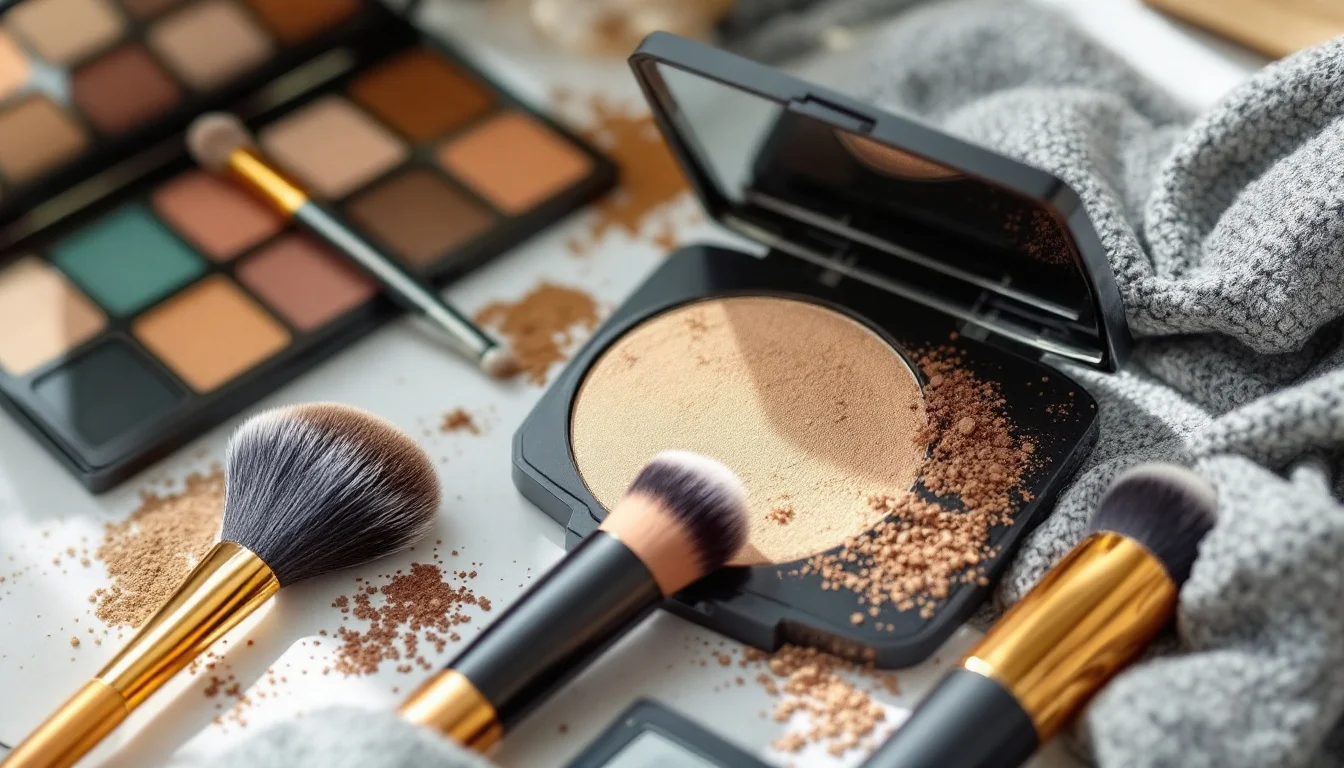
Complexion makeup is moving away from the harsh, dramatic geometric lines that dominated the last decade. The international beauty press frequently documents this shift toward softer sculpting techniques. In Belgium, the commercial market now reflects a new technical reality. Online retailer boozyshop.be, operating nationwide via its French-language Belgian domain, groups shading products in a dedicated collection titled "Contouring," where each item falls under the strict "Contour" product category. However, behind this traditional label lies a profound transformation in textures, shades, and marketing promises. The era of using a single bronzing powder to mistakenly carve out cheekbones is fading from the mainstream market, making way for a subtle approach the industry now calls "soft sculpting."
Key Drivers of This Shift
The Belgian market's transition toward this new approach to complexion makeup is characterized by several major commercial and technical dynamics:
- Accessible formulas: The market now makes it possible to pick up high-performance cream formulas for just a few euros.
- The dominance of duo formats: The systematic pairing of shadow and light in a single tool to streamline application.
- The rise of cool undertones: The creation of specifically ashy shades designed to mimic natural shadows, breaking away from orange-leaning formulas.
- Integration into overall makeup routines: The absorption of contouring products into multi-purpose palettes.
Why Has the Cosmetics Lexicon Evolved?
The standalone, one-dimensional contouring product is no longer the norm. An analysis of commercial catalogs shows that even the terminology has had to adapt to appeal to consumers who are now looking for a lifting, healthy glow rather than visible facial bone restructuring.
The blurring of marketing promises
On specialized platforms, product names in catalogs deliberately blend the terms "contour," "sculpt," "shaper," "glow," and "soft glow." This semantics shows that the lexical boundaries between contouring, sculpting, and highlighting have become blurred in today's commercial offerings. This new nomenclature serves as a direct response to shifting consumer expectations: it transforms a technique once perceived as strictly professional and intimidating into a highly accessible impulse buy. The Contour & Highlight Stick Effin Sculpt by KimChi Chic Beauty perfectly illustrates this democratization. It retails (based on recently recorded prices, potentially subject to promotions or clearance) in the shade Medium for €5.97 and in Dark for €2.99, marking the lowest price found in the surveyed contouring collection.
The functional alliance of shadow and light
This hybridization is also reflected in the physical structure of the cosmetics themselves. Duo palettes and double-ended sticks consistently combine two complementary functions (usually contour + highlight or contour + glow). This design structures the market around the inseparable pairing of shadow and light, rather than focusing solely on the darker contour shade.
Furthermore, brands are fully embracing the fusion of once-distinct uses. Moira's Precision Sculpt Stick Bronzer & Contour is offered in two shades, 001 Silk (€12.95) and 002 Shade (€13.95). By explicitly combining the functions of a "bronzer" (to add warmth) and a "contour" (to sculpt) in its name, this product demonstrates a deliberate alliance between two complexion steps that previously required separate products.
Cool Undertones: How Did the Industry Correct the Perfect Shadow?
For years, mainstream consumers used bronzing powders to try and carve out their cheekbones. Technically speaking, a natural shadow cast on fair to medium skin usually leans toward gray or ash, though the perceived color depends on ambient lighting, and deeper skin tones can often pull off neutral to slightly warm undertones. The industry has gradually corrected this colorimetry mismatch by introducing genuine shadow engineering, a trend clearly visible in current catalogs.
Specialization by color temperature
The market has technically adapted by offering true shadow shades. Catrice's range of contour sticks includes at least one shade described as cool and ashy (010 Ash), positioned alongside warmer or deeper shades intended for other skin tones (Clay, Mocha, Espresso). This rollout illustrates the precise segmentation of contouring shades by undertone (cool, neutral, warm) in today's catalogs—a level of nuance once strictly reserved for cinematic makeup.
The influence of Asian cosmetics
This technical precision is also showcased by several South Korean brands that offer explicitly identified cool shades. Colorgram's Re-Forming Contour Stick in 02 Cool Tone is clearly labeled as a "cool tone" shade and retails for €12.95. The use of such specific terminology signals to the consumer a high-quality formulation capable of mimicking anatomical reality without leaving behind unwanted orange streaks, making the illusion of a shadow visually discreet and much closer to the real thing.
Which Formats Should You Choose for Soft Sculpting?
The success of soft sculpting relies heavily on the diversification of application methods. Finicky compact powders have given way to melt-in textures that don't require professional brushes to blend flawlessly.
The fragmentation of textures
The catalog of the "Contouring" collection shows that today's contour products come in a multitude of physical formats: cream contour sticks, dual-ended contour + highlight sticks, powder duo palettes, multi-shade palettes (featuring several pans per palette), liquid formulas, and multi-product "complexion" palettes. The viability of liquid formulas is proven even at very low price points, as illustrated by W7 Cosmetics' Cheeky Dip Liquid Contour Shadow, a liquid contour format sold for just €6.95.
Market price tiering
| Price range | Format type | Product examples |
|---|---|---|
| Entry-level ( 20 €) | Multi-shade palette for professionals or enthusiasts | Curve Case Matte by Made By Mitchell (€35.49) |
The most expensive item in this survey highlights the need for versatility among advanced users: Made By Mitchell's Curve Case Matte, available in five variants (Lighter, Light, Medium, Medium/Deep, Deep), tops out at €35.49 and offers a multitude of cream pans for custom, precision work.
The limitations of new textures
However, this shift toward cream and liquid textures does have its limitations. These formulas can prove less long-lasting on oily-leaning skin and require a certain rigor in shade selection to avoid a muddy finish. Furthermore, powder contouring remains highly relevant, particularly for professionals or when conditions demand extreme, prolonged wear.
Why Are Multi-Purpose Palettes Replacing Single Products?
Beyond simple passing trends, the format mutation toward "all-in-one" solutions is a response to logistical pressure. Cosmetics manufacturers are redesigning their offerings to minimize industrial waste.
Integration to avoid unsold inventory
Multiplying single-unit items (one stick for contour, another for blush, a separate compact for highlighter) inherently generates excess stock of the least popular shades.
The "complexion" palette as an economic shield
To minimize the risk of overstocking, brands are consolidating uses. The Pro Sculpt Concealer Palette in Medium by LA Girl (€16.95) and the Everything Base Face Icon Complexion Palette by Revolution, available in Light and Medium (€15.95), show that contouring is now seamlessly integrated into multi-product complexion palettes rather than strictly dedicated sculpting products. By grouping concealers, structural shades, and highlighters into a single compact, manufacturers streamline their production chains, secure their sales, and offer consumers a significantly less cluttered makeup bag.
Frequently Asked Questions (FAQ) About Soft Sculpting
Should you prioritize a cream or liquid formula as a beginner?
Fluid textures (with a sponge tip) or creams (in stick form) are highly recommended for beginners because they don't set immediately on the skin. They can be worked and blended over time using your fingers or a damp sponge, unlike powders, which can turn patchy if the skin isn't perfectly mattified beforehand.How do you choose the right undertone for your contour?
To mimic a natural shadow, fair to medium skin tones are often advised to lean toward gray or ashy shades (known as cool undertones). Highly orange-toned formulas are generally less suited for carving out these complexions, although deeper skin tones can often rely on neutral or slightly warm nuances to achieve a natural-looking contour.In what order should cream textures be applied?
It's recommended to apply cream or fluid products directly onto moisturized skin or over a liquid or cream foundation, but always before powdering your face. Applying a cream product over an already powdered surface runs the risk of moving the underlying makeup or creating patchy, uneven streaks.Can you use a "complexion" palette without foundation?
Absolutely. In fact, the philosophy behind contemporary makeup strongly encourages this minimalist approach. Well-moisturized skin is all you need as a base. The shades in a complexion palette can be applied strategically to specific areas (dark circles, the sides of the nose, the hollows of the cheeks) to target corrections and sculpt volumes, leaving the rest of the face bare for a much more natural finish.Conclusion: Toward Modular Makeup
The enthusiasm for hybrid textures over traditional contouring paves the way for an increasingly modular approach to cosmetics. While pure powder contouring maintains a solid foothold in the market, a growing portion of facial restructuring products is edging closer to the tinted skincare realm. With the rise of pigmented serums and hydrating balms that incorporate shading and light-correcting capabilities, simplified new beauty rituals are steadily emerging.