Matte Lipstick: An Analysis of a Cosmetic Evolution
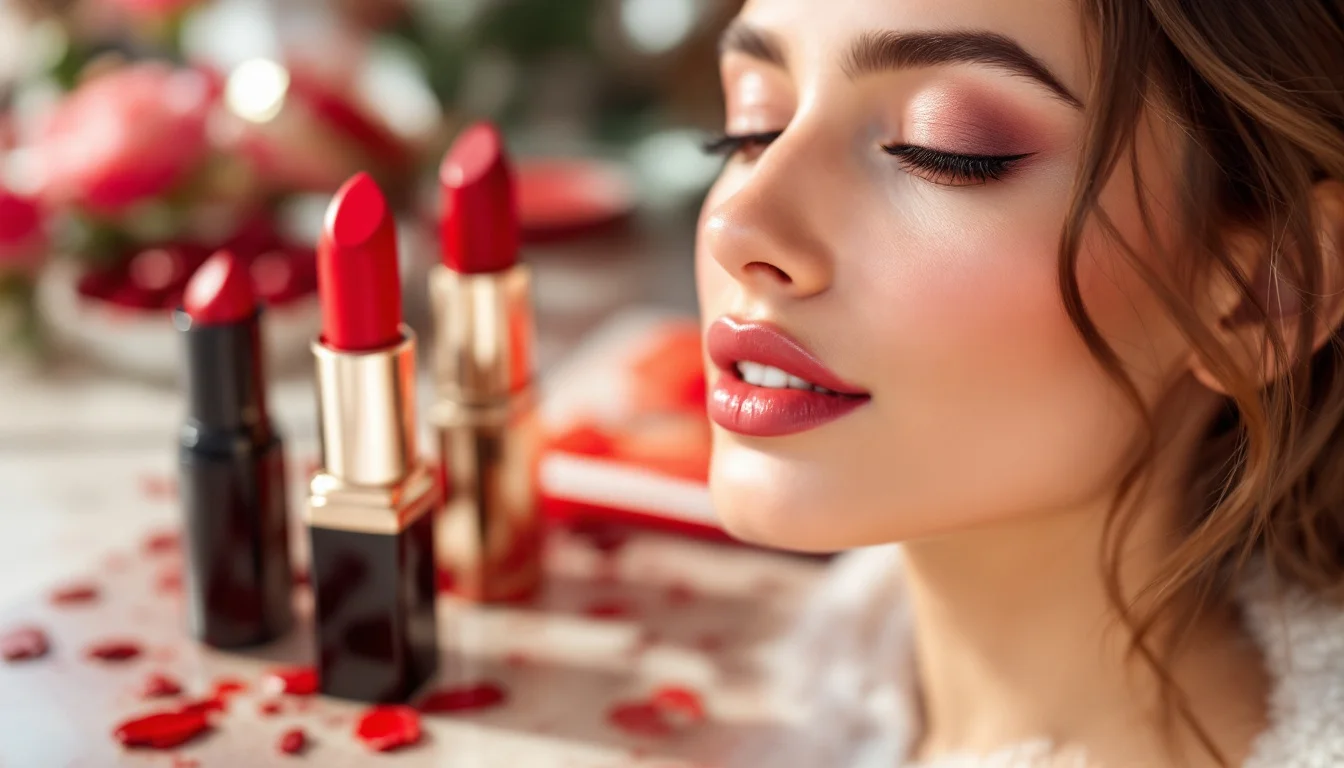
The global cosmetics industry is undergoing a structural reorganization of its flagship categories. According to estimates by analytics firms like Grand View Research, the global lipstick market is showing sustained growth. Its valuation reflects a positive dynamic within the sector. At the heart of this growth, a classic texture is once again making its mark.
Following a period marked by market fluctuations and a resurgence of glossy finishes, matte lipstick is returning to the forefront of lip trends. This comeback is not just a matter of cyclical nostalgia. It answers a demand for high performance: consumers now favor a crisp, clean finish combined with long-lasting wear.
Key Takeaways
- New trend: The global matte lip category is growing, signaling a decline for gloss.
- Technical evolution: The liquid format is outpacing the traditional stick. Matte liquid formulas dry down to a transfer-proof finish, featuring applicators that guarantee high-precision lining.
- Optimized routine: Modern application requires an absorption period after applying lip balm to prevent flaking, with a touch of shine recommended for mature skin.
- Inventory optimization: The cosmetics industry is increasingly streamlining its inventory management, prioritizing universally appealing formulas.
The Data Behind the Trend: The Return of Matte vs. Gloss
Challenging the Supremacy of Luminous Finishes
The cosmetics market's transition toward matte finishes happened swiftly, contrasting with consumer habits of the previous half-decade. Previously, the industry was still seeing a strong preference for luminous finishes. According to market analyses, the shimmering (or shimmer) lipstick segment held the top revenue share at 37.2% of the global market. The sector seemed permanently won over by shine.
A Shift in Purchasing Intentions
However, consumer intentions have recently shown a notable shift. An analysis of search trend indicators reveals that interest in matte lipsticks has surged, while gloss-related queries declined during the same period. This renewed interest in the matte finish has held steady, revealing an underlying movement rather than a passing fad. This shift in demand has translated into an adjustment in purchasing behavior: market observations indicate that the matte lip category has experienced a sharp acceleration in sales at the expense of glossy textures, proving that the market is once again refocusing on high-coverage formulations.
Performance and Precision: Why Liquid Formats Stand Out
The Evolution of the Traditional Format
The commercial success of the contemporary matte finish can be technically attributed to the evolution of its format. Historically, the industry relied on solid wax. The traditional tube or stick segment held the dominant revenue share. Nevertheless, this classic form is steadily losing ground to the liquid segment, which is experiencing rapid growth.
The Mechanics of Transfer-Proof Wear
Modern matte liquid formulas incorporate volatile agents that evaporate quickly, drying down to form a completely transfer-proof film. This specific chemistry makes them highly practical for navigating busy days and enduring meals without requiring constant touch-ups.
At the same time, these fluid formulations utilize specialized applicators. Doe-foot wands or angled brushes allow for a much more precise lip contour and exact color fill.
Lip Market Segment Analysis
The following table illustrates the diverging trajectories of the different formats.
| Cosmetic Segment | Market Status | Primary Functional Benefit | Core Demographic |
|---|---|---|---|
| Matte | Strong growth | Shine-free velvety finish, intense color | 20-30 years old |
| Gloss/Shimmer | Loss of historical leadership (37.2%) | Instant luminous finish | Under 20s |
| Liquid format | Acceleration in global sales | Precise lining, transfer-proof barrier | 20-30 years old |
| Stick format | Past dominance, relative decline | Familiar classic application | Traditional profiles |
The Demographic Shift
This overhaul of product lines responds directly to the demands of a new generation of consumers. While the under-20 demographic previously accounted for the largest revenue share of the global market, drawn to the ease of lip gloss, the current dynamic is heavily influenced by young adults. The 20-30 age bracket is seeing the fastest growth. These consumers are looking for the guarantee of intense, continuous pigmentation throughout the day.
The Art of Wearing Matte: Care, Timing, and Hybrid Trends
Managing Surface Dryness
Despite its excellent staying power, the adoption of matte pigments faces a limitation inherent to their formulation. The main drawback of this texture lies in its tendency to give lips a dry appearance, sometimes causing flaking as the hours go by. The absence of glossy oils in the final formula further exposes the skin's natural texture.
To bypass this issue, makeup professionals recommend a specific application protocol. The initial step involves gently exfoliating the lips, followed by applying a hydrating balm. The crucial element of this routine lies in time management: it is imperative to allow for an absorption period before applying the lipstick. This delay ensures the lipid base penetrates the skin without compromising the adhesion of the liquid color. If a touch-up becomes necessary, the product should be tapped on rather than rubbed.
Technical Hybridization for Mature Skin
Application techniques are also evolving to adapt to the specific physiology of each user. For mature skin (50 and over), a completely flat, opaque finish can settle into and accentuate fine lines around the mouth.
It is often advised to apply the matte product only to the center of the lips. The edges are then blended with a light overlay of a pearlescent finish. This gradient technique creates a matte-meets-gloss effect that ensures a much softer final look, all while preserving the pigment intensity at the center of the lips.
Sustainability: The Impact on Matte Formulas
Inventory Optimization
To reduce industrial waste, laboratories are optimizing their upstream production, avoiding slow-moving micro-trends to invest in sustainable, universally appealing commercial pillars.
Inclusive and Responsible Formulas
The success of matte lipstick aligns perfectly with this inventory-efficiency mindset. Faced with this demand, brands are developing shade collections capable of flattering a wide range of skin tones with a single formula. A more universal product logically generates less unsold stock.
In parallel, the intrinsic quality of the ingredients is being closely scrutinized. The continued rise of natural, vegan, and cruelty-free formulas is emerging as a major driver in the lipstick market, underscoring the industry's desire to marry inventory optimization with ethical commitments.
FAQ: The Matte Lipstick Market
Is a matte finish suitable for all seasons?
How a matte formula behaves on the skin depends on the immediate environment. This finish can be less comfortable in very dry conditions (such as mid-winter, under indoor heating, or during long flights), as it can accentuate dehydration; a satin product is often preferred in these instances. Conversely, a matte finish achieves excellent stability in more humid environments, making it ideal for summer or high-intensity days.
Why is the liquid format experiencing such growth?
Unlike traditional stick formats based on solid wax, liquid formulas meet a modern demand for high precision and long-lasting wear. They incorporate volatile agents that evaporate, allowing the product to dry down and form a transfer-proof film. This format is particularly popular among the 20-30 age demographic.
Conclusion
The stabilization of the matte finish trend demonstrates that many consumers are seeking products that combine high functionality with aesthetics. The growing demand for long-lasting wear and transfer-proof formats is pushing laboratories to continuously innovate, thereby reshaping the standards of the makeup industry for years to come.